Step off our cruise and into a unique, success story. When it comes to conservation in the Wānaka region, there are few locations where the birdlife is thriving more than the predator-free island of Mou Waho. Walking the tracks on Mou Waho means hearing birdsong echo through the forest, from its floor to the canopy above.
Steep cliffs help to protect the island from introduced predators, allowing native wildlife to thrive in a way that is increasingly rare on mainland New Zealand. The thriving birdlife on Mou Waho is the result of careful conservation work. By removing introduced predators and restoring native habitat, the island has become a refuge where birds can breed and feed safely.
Today, the island is managed as part of the conservation efforts connected to Mount Aspiring National Park and the wider Lake Wānaka ecosystem.
Exploring Mou Waho offers something unique: the chance to experience what parts of New Zealand’s forests may have sounded like before introduced predators arrived.
Birdsong fills the air, curious weka wander through the undergrowth, and sweeping views of Lake Wānaka stretch in every direction. It’s a reminder of how powerful conservation efforts can be — and how special these protected places truly are..
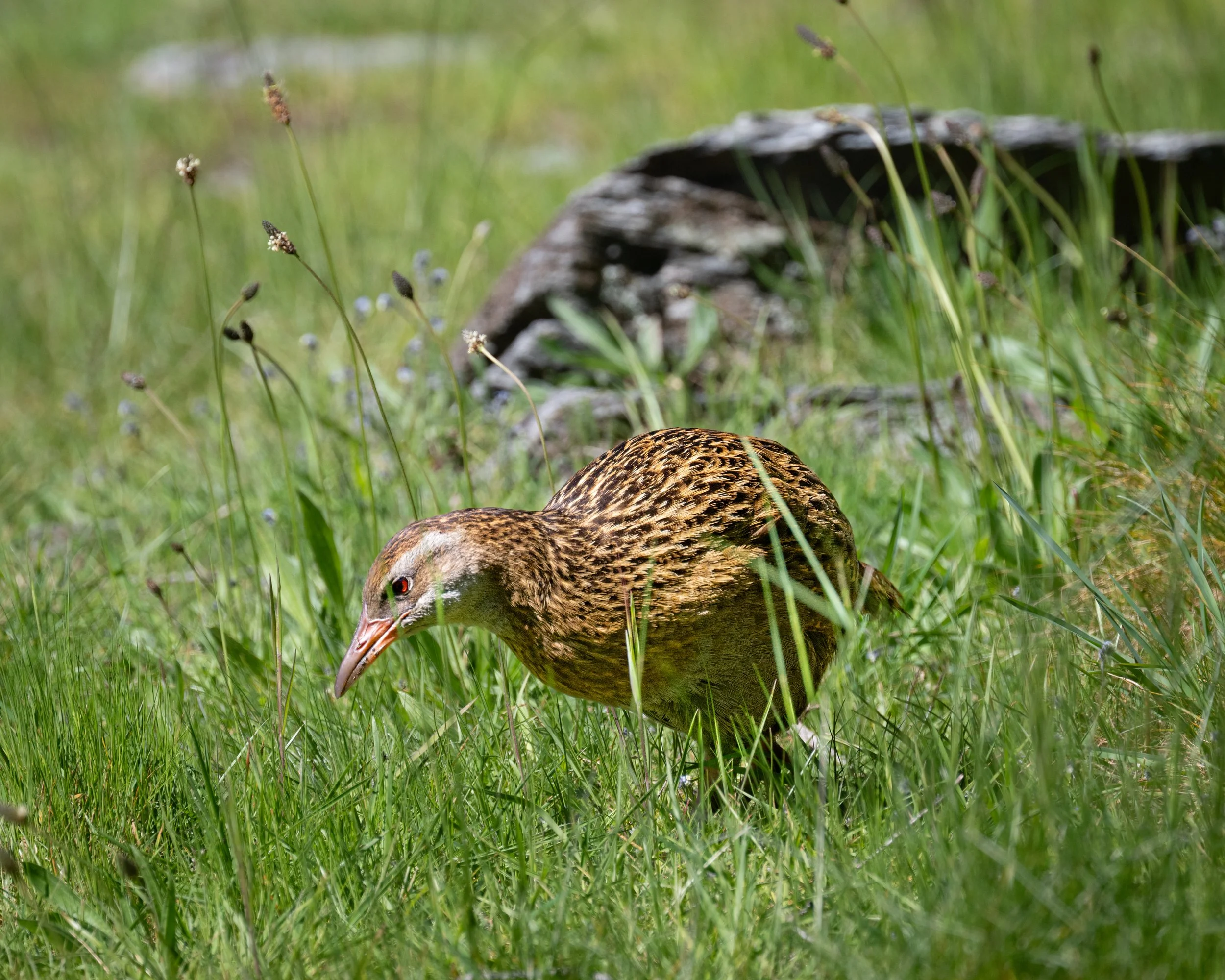
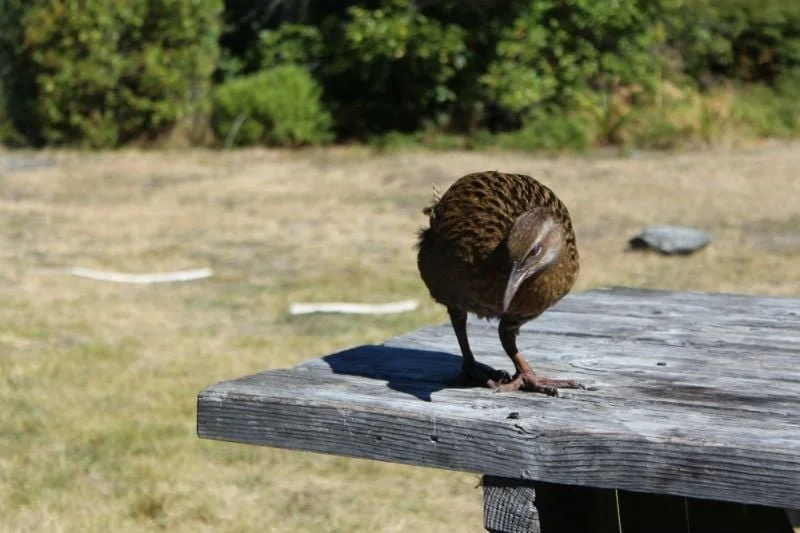
Buff Weka
Extinct on mainland New Zealand since 1920, the flightless Buff Weka is known for its bold personality. Unlike many native birds that would keep their distance, the Weka often wander up to visitors on the island to investigate. Whilst they are entertaining to observe from a distance, it is important visitors do not feed them. Weka are expert foragers and play an important role in the island’s ecosystem, searching through leaves on the forest floor for insects, berries & small invertebrates. The call of the Buff Weka is a unique sound. A loud, shrill, and repetitive "coo-eet" or "ee-wee" call, you can listen here thanks to the Department of Conservation.
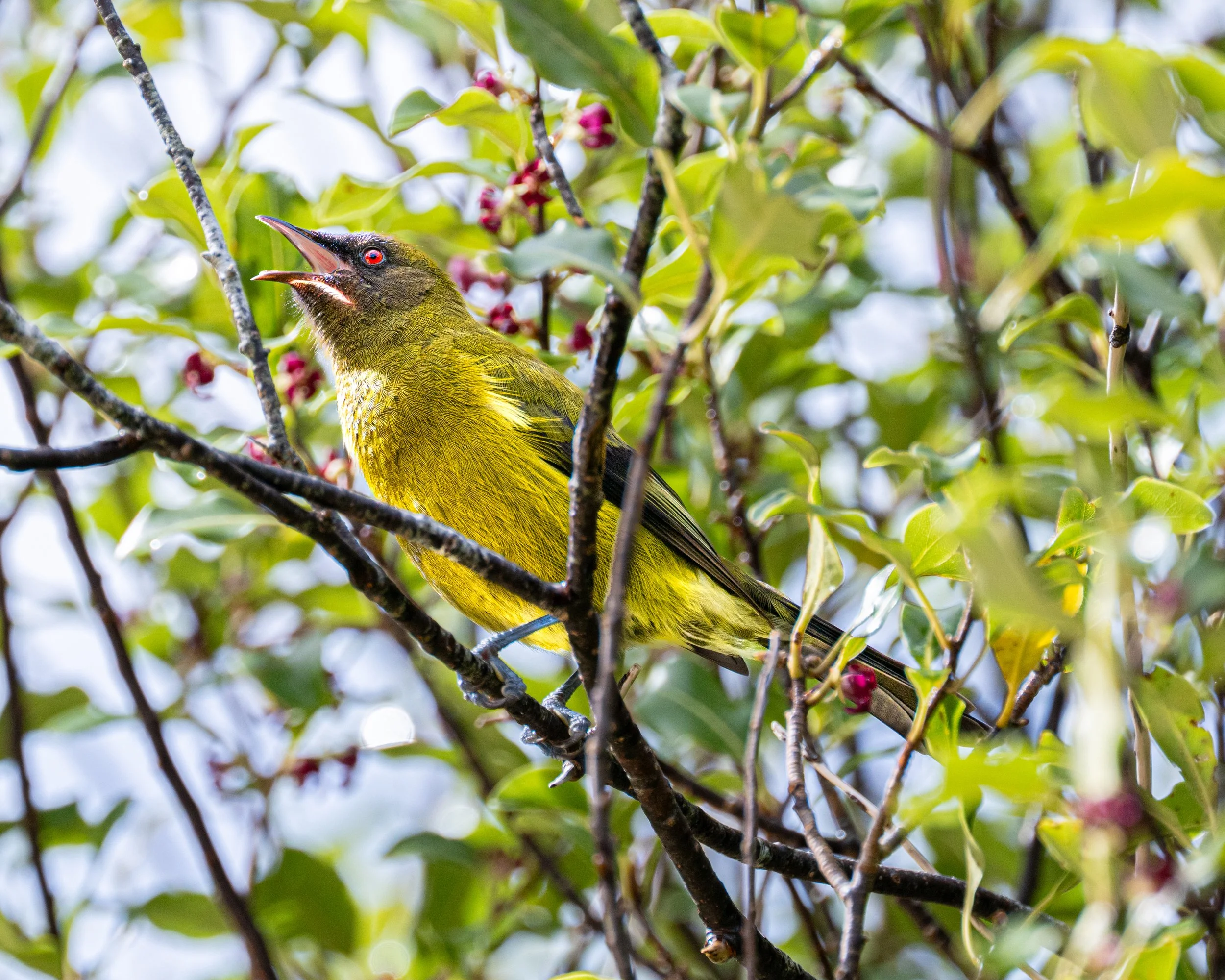
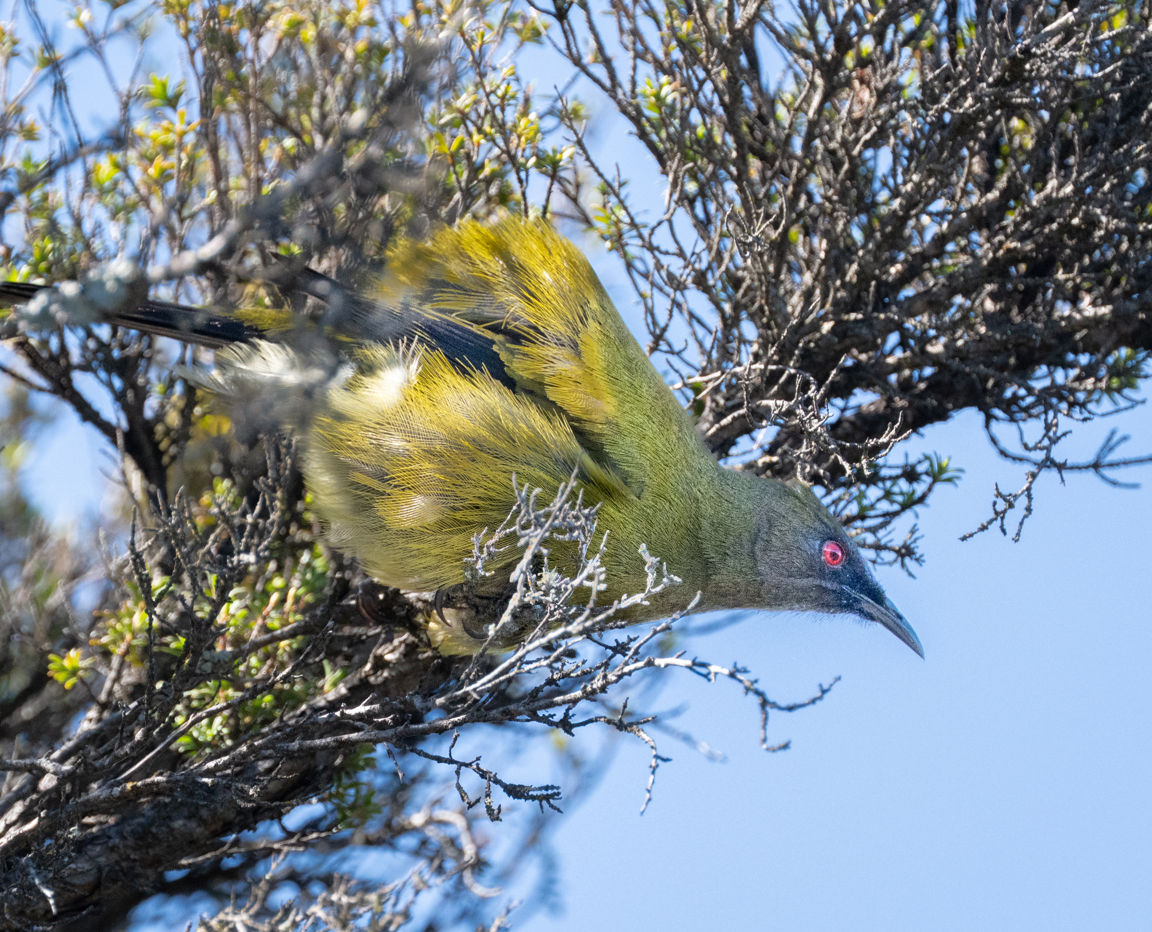
bell birds
As you hike through the regenerating forest of Mou Waho, one of the most distinct sounds you will hear is the clear, chiming song of the bellbird (Korimako). It produces a beautiful & complex call. The musical notes echo through the forest canopy and are often the soundtrack to our hikes on the island. These birds feed on nectar, insects & native fruits, helping pollinate many of the plants that are restoring the island’s forest.
Visitors walking the island tracks may also hear other native species, including tūī, grey warblers, and occasionally more elusive forest birds that are returning as the ecosystem recovers. We continue to contribute to the regeneration of this island by planting a tree with every trip.