
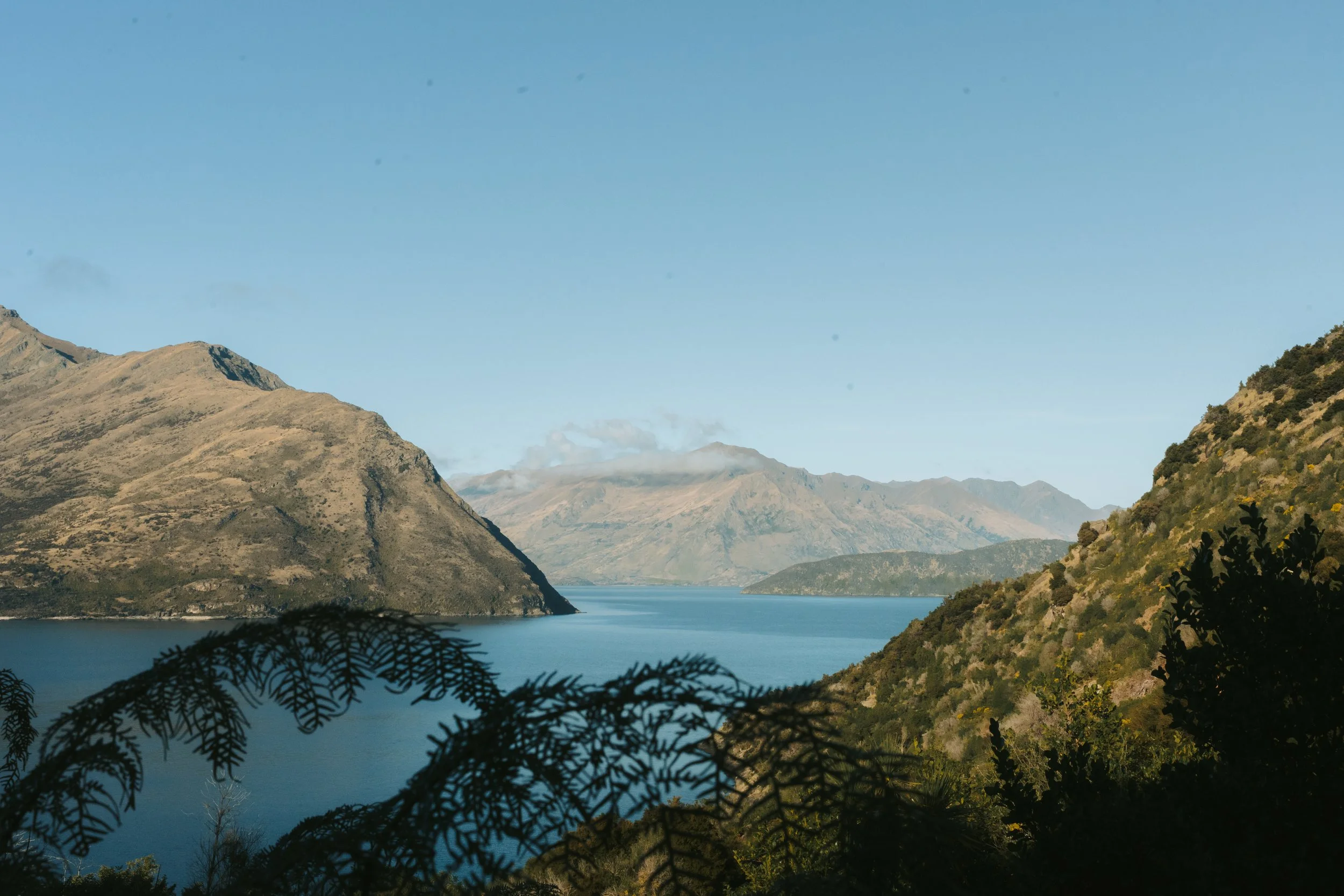
Pest free since 1995, Mou Waho subsequently became an important predator-free refuge for native species
Mou Waho, meaning ‘Outer Island’ has a history that combines Māori heritage, European settlement, farming and conservation. Lake Wānaka is part of the traditional cultural landscape of Te Waipounamu, with traditions connecting the lake's formation with the ancestor Rākaihautū and his great kō (digging tool). The island has carried several names over the years, including Pigeon Island and Harwich Island, before its Māori name, Mou Waho, was restored in 1988.
In 1863, Alfred Pinn established a cottage, garden and boat-building operation on the island, using its native timber to build vessels for the growing Lake Wānaka trade. Remnants of his stone wharf can still be seen today. After its days of farming and boat building, Mou Waho gradually returned to a more natural state. Today, Mou Waho is a predator-free sanctuary, home to native wildlife & the remarkable Arethusa Pool, a small glacial lake.
Buff weka were eventually transferred to Mou Waho, where they established a thriving population. The island now provides a habitat for many native bird species including Korimako/Bellbird, Ngirungiru/ Tomtit and Kererū/ New Zealand pigeon.
VISIT MOU WAHO ISLAND
A 16km boat ride from Wānaka, lies a beautiful Island sanctuary.
Mou Waho’s UNIQUE Inhabitants
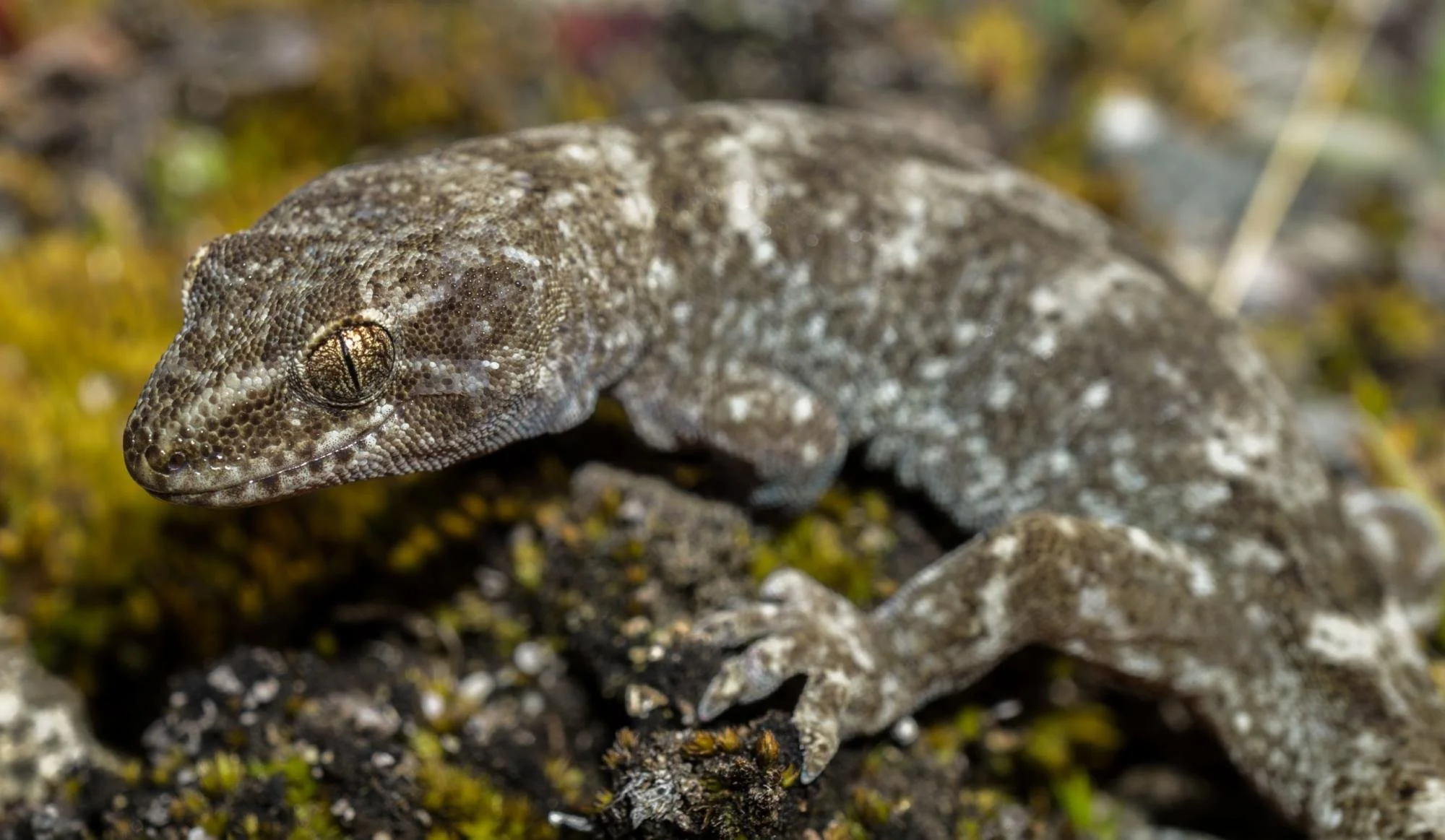
The buff weka is probably Mou Waho's most famous resident. These curious, flightless birds were transferred to the island in 2004, following a breeding programme on Te Peka Karara (Stevensons Island) in Lake Wānaka.
Today, DOC estimates there are around 200 buff weka on Mou Waho.
BUFF WEKA
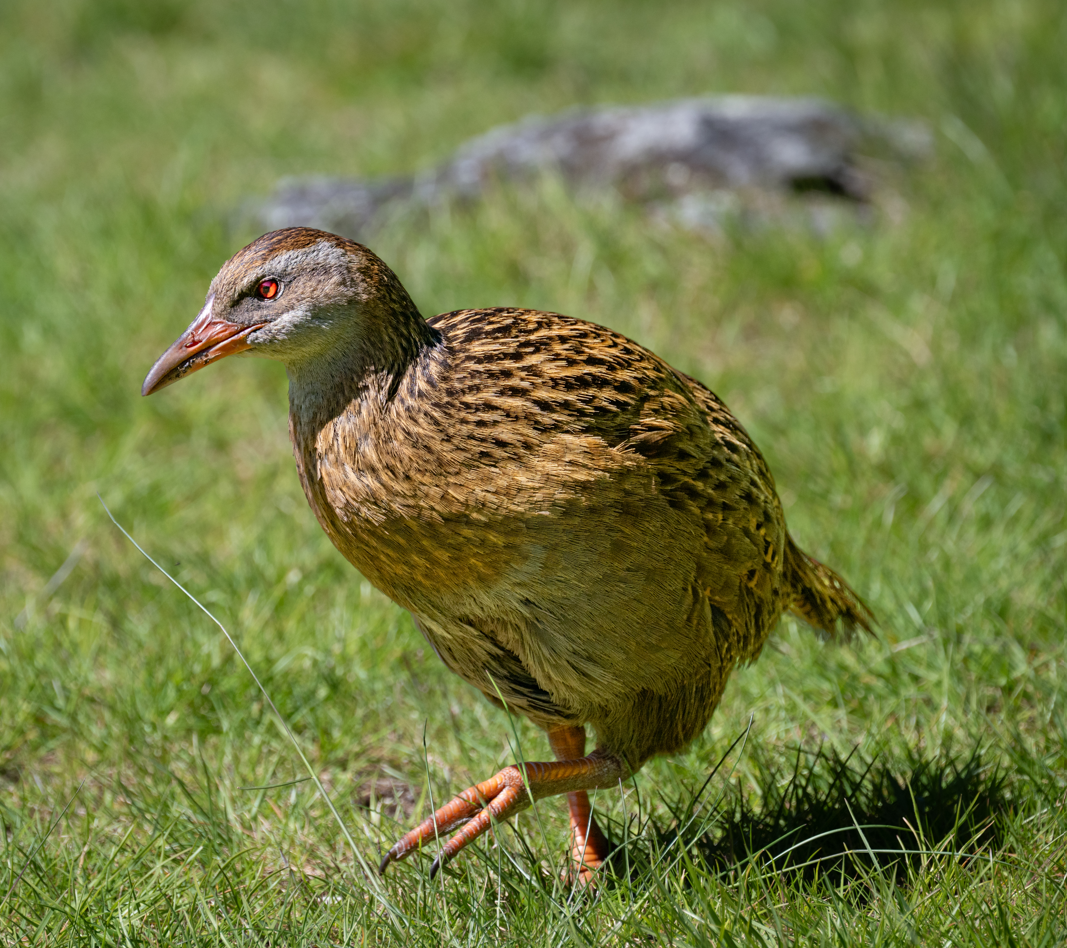
Mou Waho provides a refuge for this large native insect, which has been severely reduced in some mainland areas.
For visitors, wētā are a reminder that conservation on the island isn't only about the birds, the island protects an entire community of native species.
Mountain Stone Weta
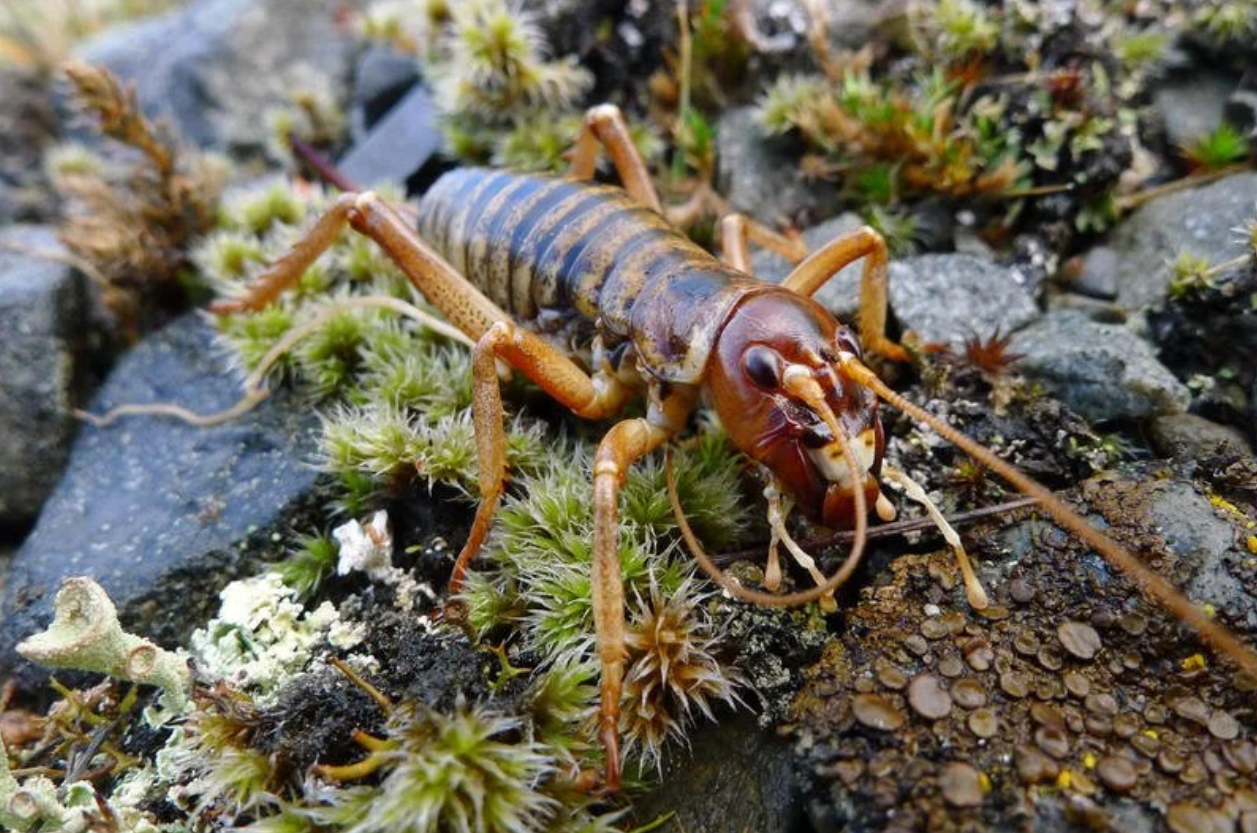
Mou Waho is also home to the Southern Alps gecko, a native species that benefits from the island's predator-free environment.
These small reptiles can be difficult to spot because they are well camouflaged, but you can often find them resting in our wētā motels during your visit.
Southern Alps Gecko
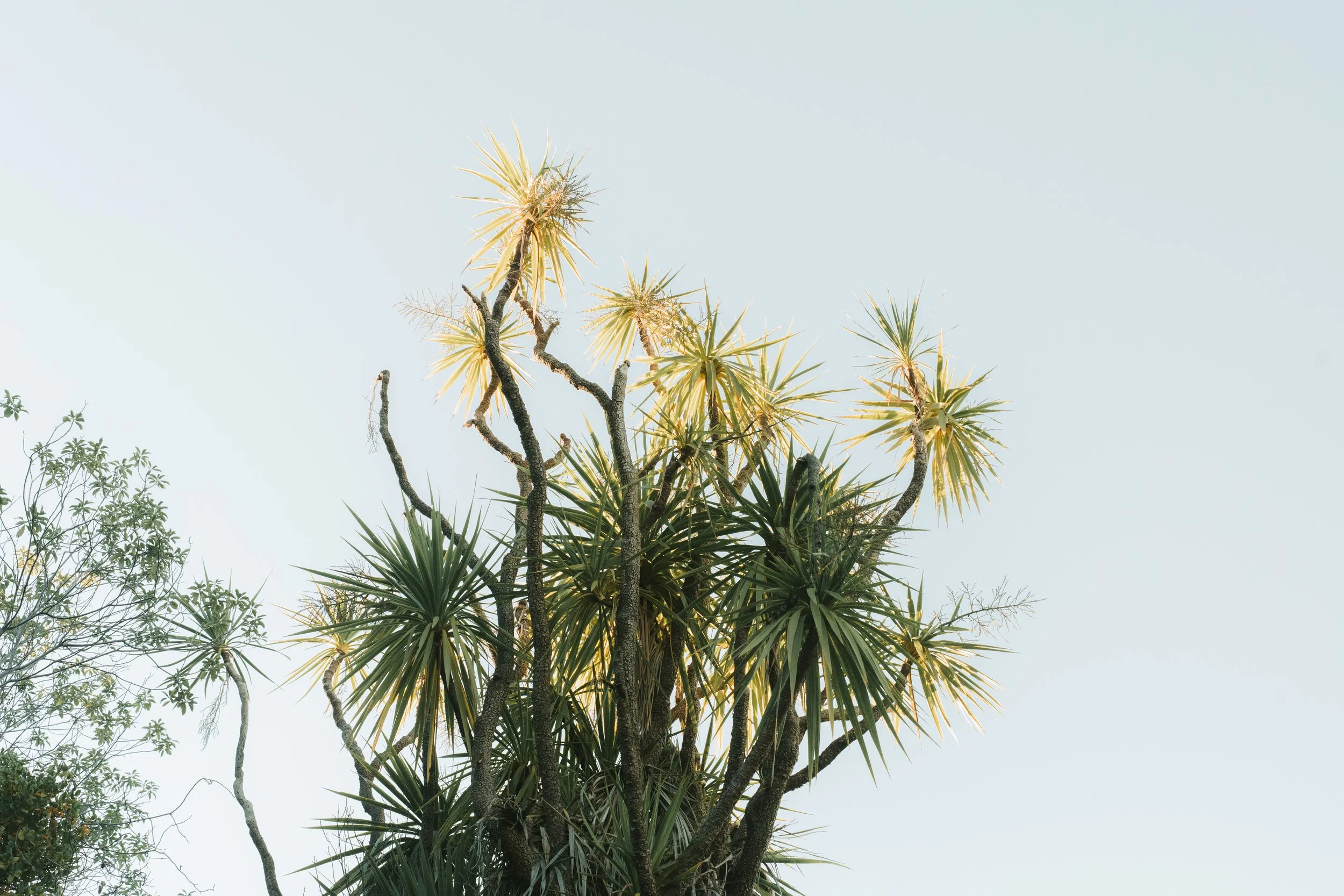
Mou Waho was once covered in impressive stands of mātai and tōtara. Fires and introduced animals altered much of the vegetation, but DOC and the local community have been working to restore native plants and habitats on the island.
Since 2007, every guided trip to Mou Waho with Eco Adventures Wānaka has included the opportunity for guests to plant a native New Zealand tree. The saplings are locally grown and selected to suit the island's environment.
Visitors have now helped plant more than 10,000 native trees on Mou Waho, showing that the daily acts can have a tangible impact on our nature world.
Planting native species helps establish the conditions needed for slower-growing forest species to regenerate naturally and creates a year long habitat for native birds, every season delivering something new to discover.
Mou Waho’s reforestation
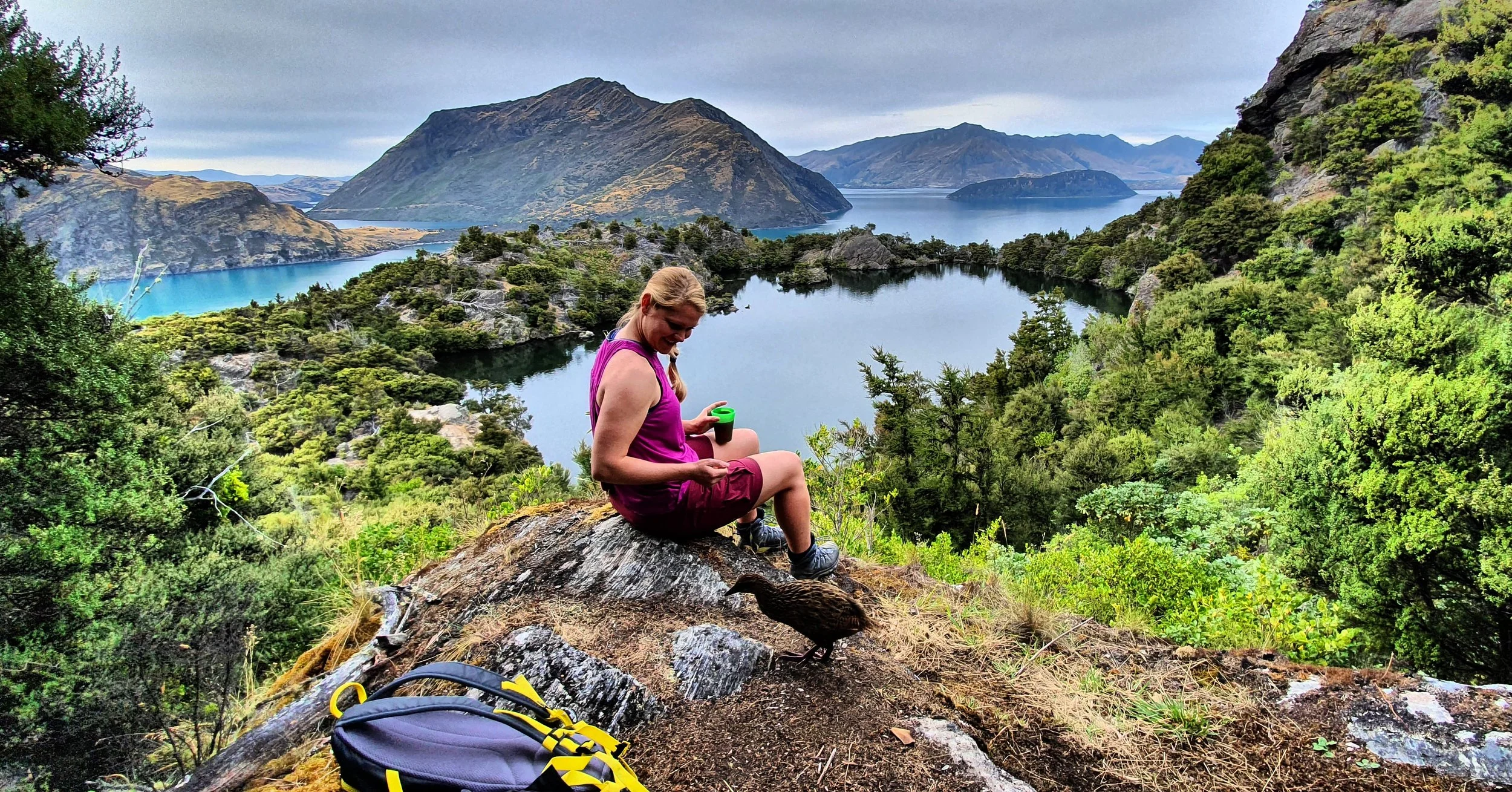
We invite you to become part of the Mou Waho story, a place where we get to slow down, connect with the majesty of the mountains and leave your positive imprint on this NZ treasure through the observation of our unique fauna but also through act of tree planting.
Nature has a way of reminding us to look closer, and appreciate the beauty found in everyday moments.
After being greeted by the bird song of Korimako / Bellbird we challenge you to find a better place than this to get close to nature’s heart and break away from the pace of the lives we normally lead.