
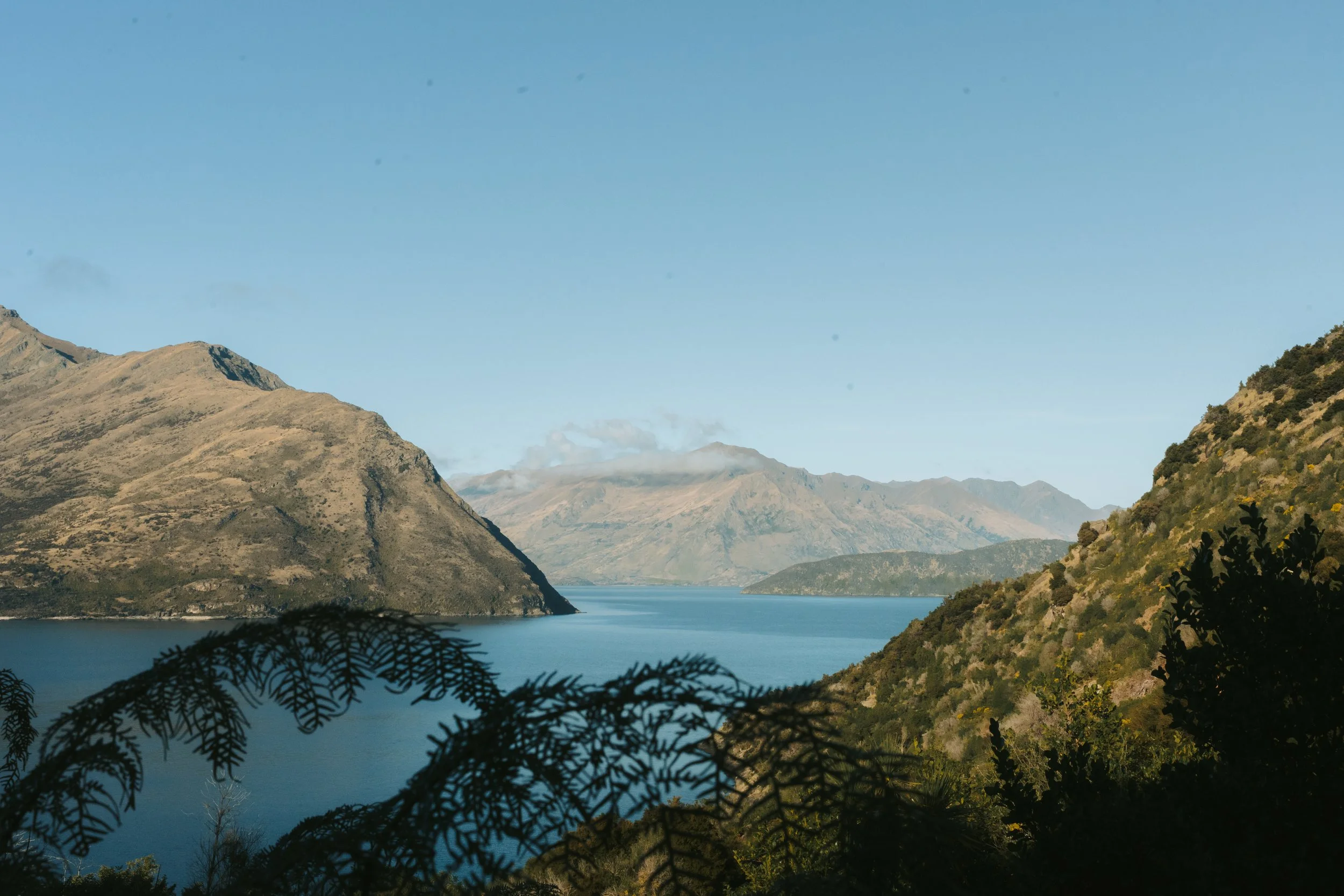
mou Waho
cruise to the lake on an island, on a lake, on an island!
Join us for a half day guided lake cruise & hike to discover Mou Waho the ‘Outer Island’.
Over the years, Mou Waho has carried several names, including Pigeon Island, Manuka Island and Harwich Island.
In 1863, Alfred Pinn established a cottage and boat-building operation on Mou Waho, using timber from the island to build wooden schooners for the growing Lake Wānaka trade. The island was also used for sheep farming. Remnants of the old stone wharf and cottage can still be found near the landing, offering a glimpse into the island’s early European history.
In 1924, the island was officially renamed Harwich Island, alongside the naming of Arethusa Pool - it’s most well known feature.
However, the name Harwich never really stuck with local people. In 1988, the original Māori name, Mou Waho, meaning Outer Island, was officially restored, reconnecting the island with its earlier identity.
Today Mou Waho is now a predator-free sanctuary. Buff weka were introduced in 2004 following a breeding programme on Te Peka Karara, and the island now provides a refuge for a range of native birds, insects and reptiles, including mountain stone wētā and Southern Alps gecko
mou Waho’s Inhabitants
These flightless birds once lived throughout the South Island but disappeared from the mainland in the early 20th century.
Conservation efforts have helped to establish populations on predator-free islands, including Mou Waho, where they now thrive!
See if you can spot, or hear the curious weka on your walk through the island.
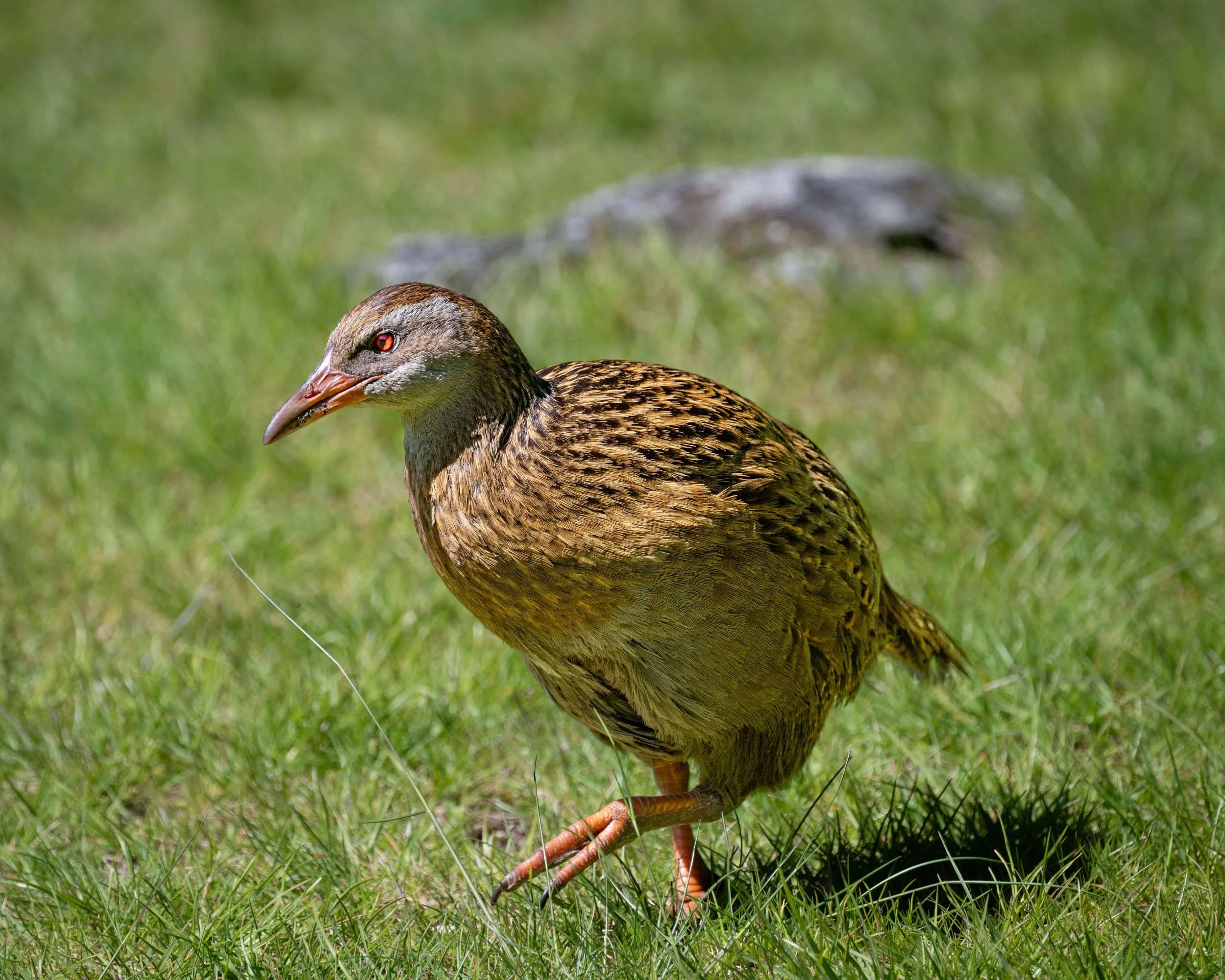
Buff WEka
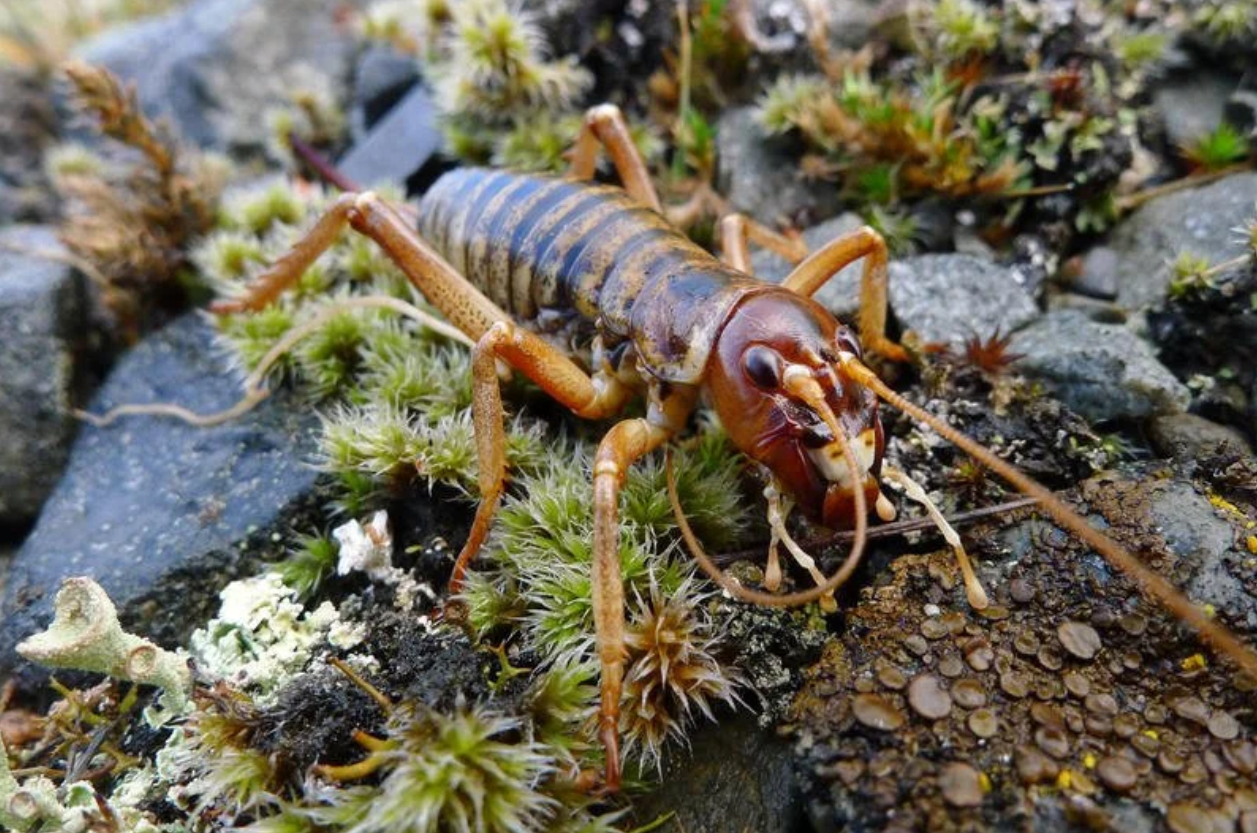
mountain stone wētā
Master adapters - wētā have perfected a method of cryogenic freezing. Over the cold winter months, this species of weta can survive being frozen solid at temperatures of -10 degrees Celsius for up to 17 days. Like many of New Zealand’s native species, wētā face threats from introduced predators such as rats, stoats and mice. On the island local school groups have hleped build wētā motels to provide important refuges for these unique insects!
Master camouflagers - they can be hard to spot in the bush or rocky outcrops on Mou Waho. Classified as At Risk – Declining, introduced predators pose an ongoing threat to their survival. Protecting rocky habitats and supporting predator-control efforts are important for safeguarding these unique native reptiles. They also seek refuge alongside the mountain stone wētā in our motels on the island!
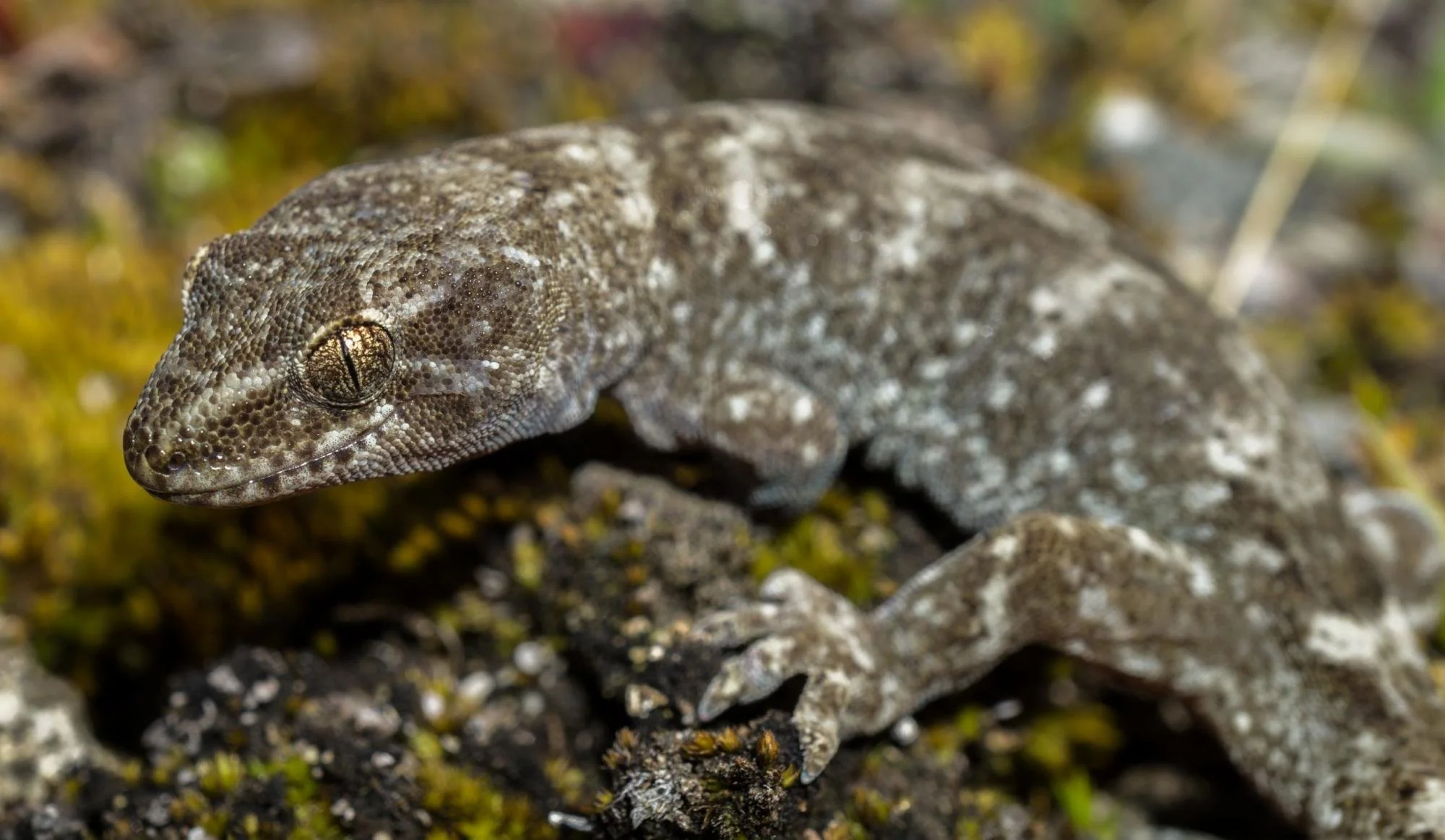
Southern ALps Gecko
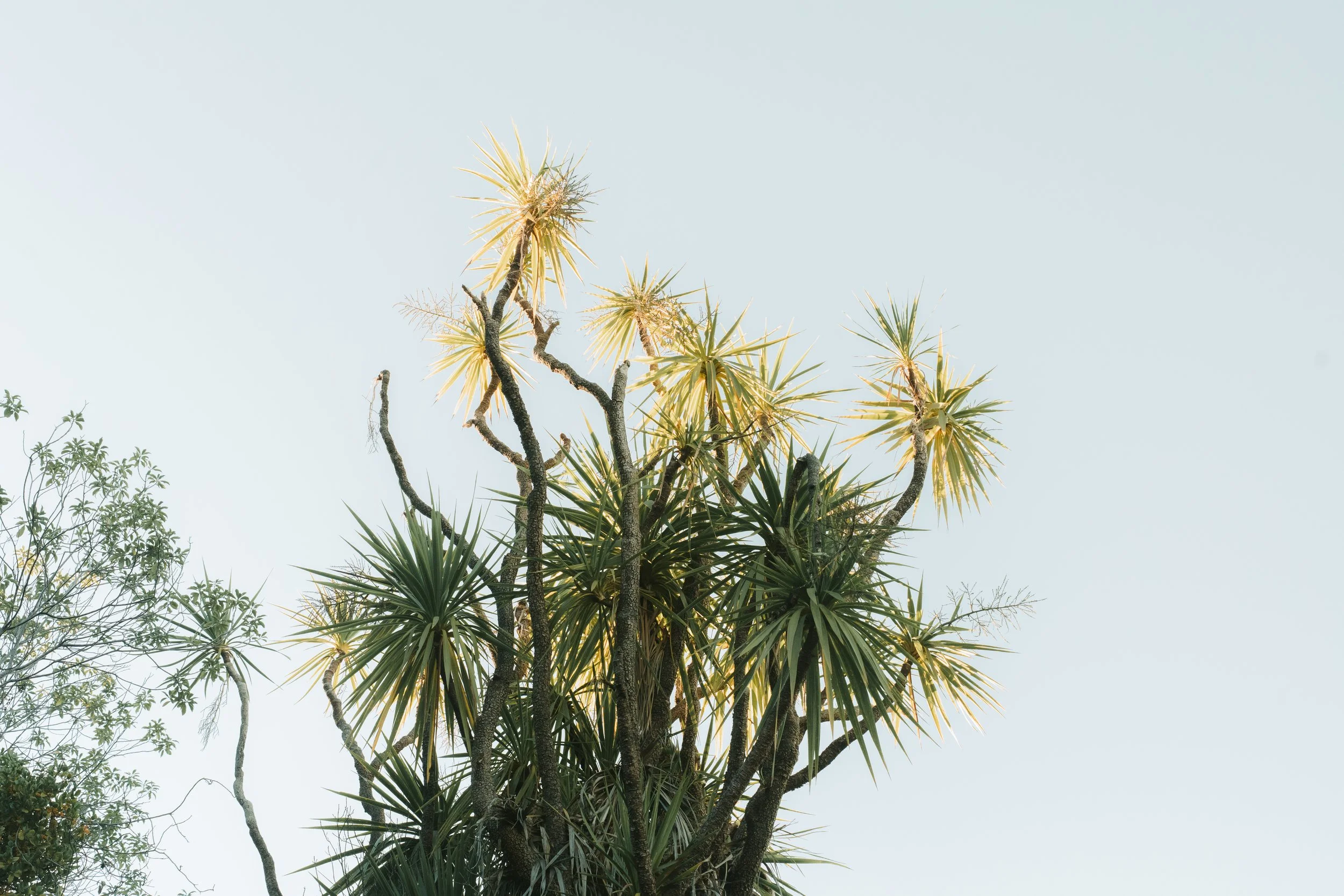
tree planting on Mou waho
Since 2007, every guided trip to Mou Waho has included a special moment: the planting of a New Zealand native tree, grown locally and carefully selected to thrive on the island. It's a simple act with a powerful ripple effect. To date, our guests, families, travellers, adventurers have helped us plant over 10,000 native trees on Mou Waho.
Trees are more than just plants - they are lifelines. They provide critical food and shelter for the island’s unique and often endangered birdlife, helping to restore the natural balance and beauty of this predator-free sanctuary. We carefully selecet our saplings from local nurseries to make sure they are a perfect fit for the eco-systems on the island, making sure the plant life on Mou Waho blends with the wildlife.
And there's another benefit too: this ongoing reforestation effort helps to offset the carbon footprint of both our business and the guests we host.
It’s a rare and rewarding opportunity to not just enjoy nature, but to give back to it, directly!
mou waho today
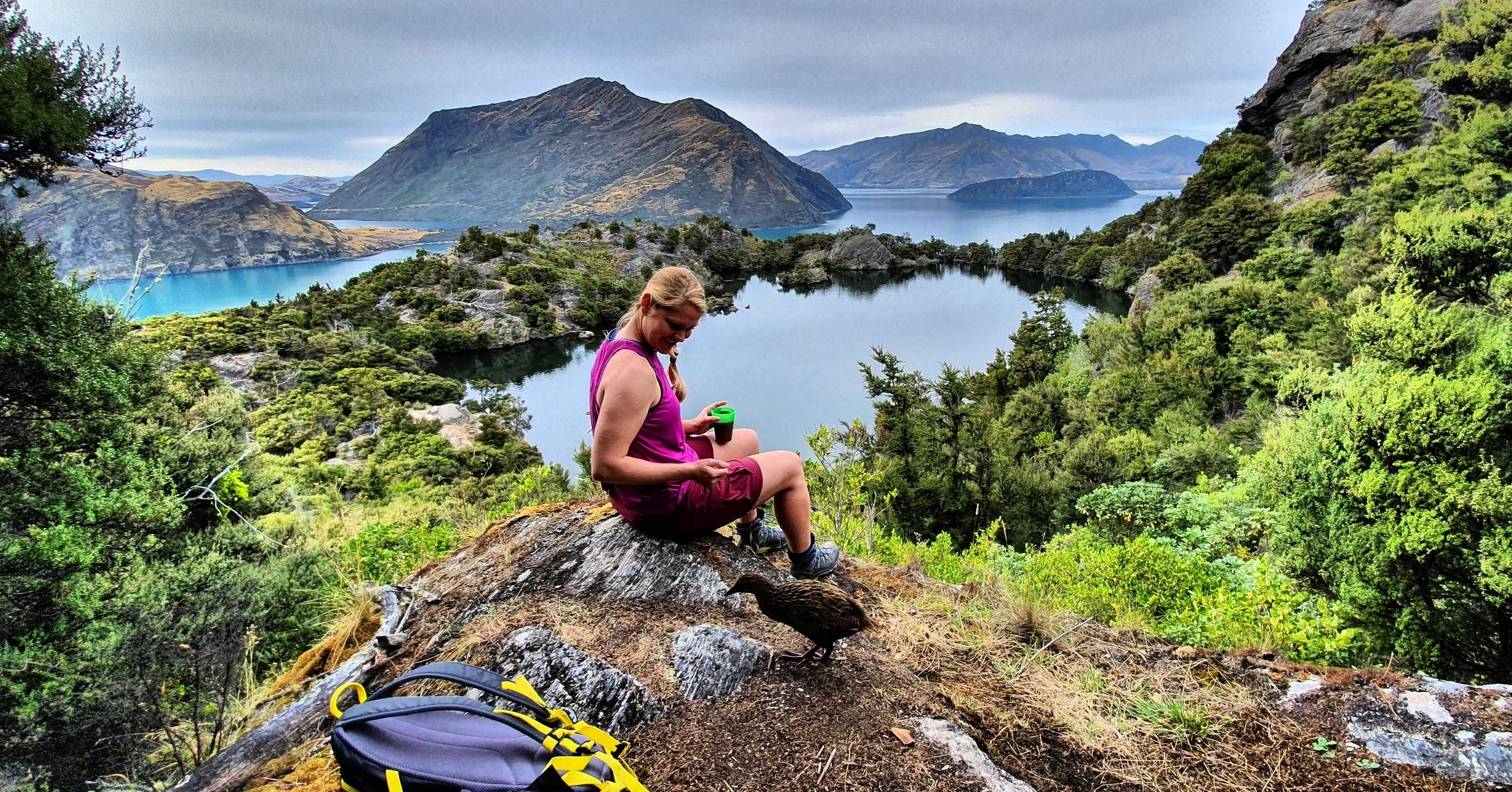
We make sure that conservation is at the heart every trip to Mou Waho.
As well as our tree planting initiative on the island we support DOC in their trapping efforts and we test the water quality on Lake Wānaka once a week thanks to our partnership with WAI WANAKA.
Mou Waho is a sanctuary hidden in the heart of Lake Wānaka and we take great pride in sharing this beautiful place with our guests. Visit us in summer and take a dip in Arethusa’s pool with views over Lake Wānaka, or simply sip on a tea of coffee whilst soaking in the stunning views.